
01
Self-Renewal
They have remarkable ability to divide and create identical copies of themselves over extended cycles without losing developmental potential.
02
Multi-Lineage Differentiation
The cells have potential to specialize into functional cell types, including cartilage, bone, muscle, vascular endothelium, and neural lineages.
Understanding Stem Cell Therapy
Stem cells are the body's foundational master cells. Unlike mature cells that serve a single, fixed purpose (such as skin cells or muscle fibers), stem cells possess distinct regenerative characteristics that make them vital to cellular therapy and modern regenerative medicine.
01

Immunomodulation
Calming destructive inflammatory
cascades and restoring balanced
immune activity.
02
.png)
Angiogenesis
Promoting microvascular repair and new blood vessel growth to restore oxygen delivery.
03
.png)
Paracrine Signaling
Releasing trophic factors that stimulate native local cells to engage in tissue repair.
04
.png)
Anti-Apoptotic Protection
Shielding damaged and stressed host cells from premature cell death.
MECHANISMS
Key Therapeutic Mechanisms
Paracrine & Regenerative Action
Stem cells do not simply replace missing cells; they function as an active biological signaling center releasing growth factors, cytokines, and extracellular vesicles:
ABOUT THE CONDITION
Autoimmune Diseases
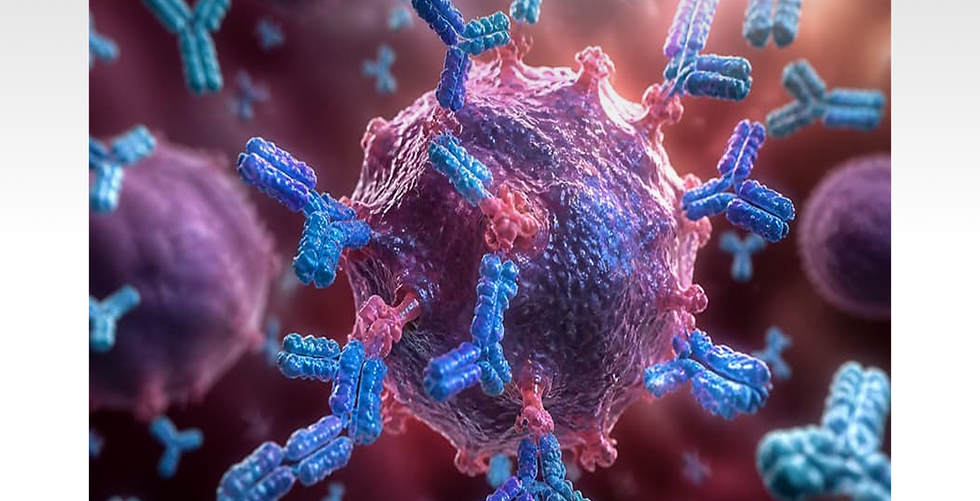
Autoimmune diseases occur when the immune system mistakenly identifies the body's own healthy tissues as foreign threats, triggering persistent self-directed attacks. Common recognized autoimmune conditions include Rheumatoid Arthritis (RA), Multiple Sclerosis (MS), Crohn's Disease and Ulcerative Colitis (IBD), Hashimoto's Thyroiditis, Systemic Sclerosis (Scleroderma), and Sjögren's Syndrome. Depending on the targeted organs, patients experience widespread systemic symptoms including chronic disabling fatigue, joint pain and inflammation, localized tissue destruction, demyelination of nerve sheaths, digestive ulceration, skin tightening, fever, and multi-organ impairment.

Stem cells possess exceptional, recognized immunomodulatory and immune-reprogramming capabilities. Rather than broadly blunting the entire immune response like traditional immunosuppressive drugs, stem cells regulate immune balance by inducing regulatory T cells (Tregs), downregulating hyperactive Th1 and Th17 inflammatory phenotypes, and inhibiting the production of destructive autoantibodies and inflammatory cytokines (such as TNF-alpha, IFN-gamma, and IL-6). In parallel, their paracrine secretion promotes localized tissue healing, suppresses fibrosis, and creates a pro-regenerative environment that interrupts the self-sustaining cycle of autoimmune organ destruction.
ROLE & ACTION OF STEM CELLS
How Stem Cells May Act in Autoimmune Diseases
The information provided on this page is intended for educational purposes only and should not be considered a substitute for professional medical advice, diagnosis, or treatment. Suitability for regenerative or stem cell therapy varies by individual condition and clinical assessment. Patients should consult a qualified medical professional before making treatment decisions.
Our Patients Testimonials Testimonial 1 | Testimonial 2 | Testimonial 3